%2Ffit-in%2F250x250%2Fguide_websites%2F100345%2Fimages%2F1770684056105506185662_10237254376075166_2683827133671997663_n-removebg-preview.png&w=1920&q=100)
Fish Finder Sonar Technology in Willis TX Waters
Fish Finder Technology in Willis - What to Expect
%2F%2Fusers%2F7f5ff010-4af3-443d-baee-c6ba27937570%2Fimages%2Fsonar-reading-willis-texas-fishing-2571.jpeg&w=1920&q=75)
Guided Fishing Trip by Guide Okey Grimm in April
- Book Your Lake Conroe Fishing Trip


Summary
This guided fishing trip on Lake Conroe demonstrates the critical role of modern fish finder sonar in locating fish at depth. Understanding sonar readings helps anglers interpret underwater structure and optimize their fishing strategy in Willis, TX waters.
Guided Fishing Trip with Okey Grimm - Rates & Booking
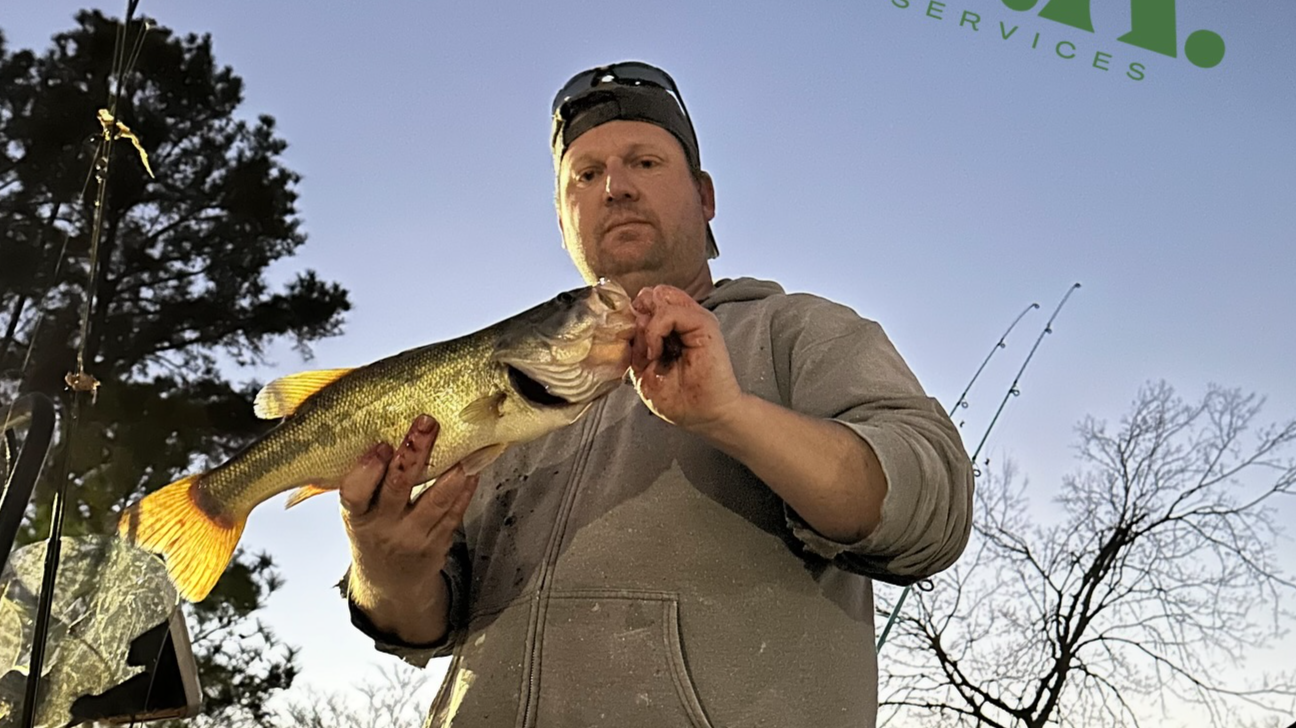
Guide Okey Grimm of M.O.A. Guide Services takes anglers out on Lake Conroe every day to master modern fishing techniques using advanced technology. On a typical Friday in April, you'll experience firsthand how professional guides use fish finder sonar to dramatically increase your chances of landing fish.
When you book a guided trip, all necessary fishing equipment and sonar instruction are included. M.O.A. Guide Services provides everything needed to understand and interpret underwater readings, making this ideal for both beginners and experienced anglers. Contact M.O.A. Guide Services to reserve your spot and start learning from a licensed local guide.
Highlights of Lake Conroe Fishing
Lake Conroe offers excellent fishing conditions year-round, with depths ranging from shallow flats to deeper structures ideal for sonar interpretation. The lake's consistent water quality and abundant fish populations make it perfect for practicing with advanced electronics.
Your guided experience focuses on practical application - not just watching a screen, but learning why fish congregate at specific depths and how to read the subtle signs that indicate active feeding fish. This hands-on approach transforms sonar from a confusing tool into your most valuable fishing asset.
Understanding Sonar Technology in Lake Conroe Waters
Modern fish finders display underwater structure with remarkable accuracy. The 72.9-foot depth reading shown here represents typical bottom structure found throughout Lake Conroe. At this depth, sonar reveals hard bottom composition, vegetation density, and fish positioning - all critical information for successful fishing.
Fish finders work by sending sound waves downward and measuring the return signal. Dense objects like rocks, logs, or schools of fish create stronger returns and appear as distinct marks on your screen. Learning to differentiate between bottom structure and actual fish takes practice, which is exactly what guided trips provide.
Lake Conroe's water clarity and moderate depth range make it an excellent training ground for sonar interpretation. Guides use various depth zones during a single trip, showing you how fish behavior changes with depth and seasonal patterns. Understanding these variations helps you predict where fish will be, rather than simply searching randomly.
The sonar frequency and sensitivity settings also matter significantly. Guides adjust these settings based on water conditions and target species, demonstrating how small changes in equipment settings yield dramatically different results. This technical knowledge separates occasional anglers from consistent catchers.
Plan Your Lake Conroe Fishing Day
Guided trips accommodate small groups, allowing personalized instruction and plenty of hands-on sonar time. Morning departures typically coincide with peak feeding activity, while afternoon sessions offer different conditions to expand your learning.
Bring sunscreen, polarized sunglasses, and weather-appropriate clothing. The boat provides shelter and comfortable seating while you learn at your own pace. Safety equipment and life jackets are provided, and guides brief you on all procedures before heading out onto the lake.